November 24, 2026
How to Remove Oil Stains From Your Concrete Driveway
By @edgarehip276
Oil stains can make a concrete driveway look neglected and create a slippery https://pressurecleaningnewcastle.com.au/tennis-court-cleaning/ surface. Because concrete is porous, engine oil can soak below the surface, making older marks harder to remove. The most effective approach is to absorb fresh oil, apply a suitable concrete cleaner and prevent contaminated water from entering drains.
Start by Containing the Spill
Do not hose fresh oil down your driveway. Water can spread the spill and carry oil towards street gutters and stormwater drains. Before cleaning, move vehicles away, keep children and pets clear, and wear gloves, eye protection and enclosed footwear.
For Newcastle properties, choose a dry period so rain does not wash oil or cleaning products off the driveway. Cover nearby drains where practical and prepare a way to collect contaminated cleaning water.
How to Remove Fresh Oil Stains
- Absorb the excess oil. Cover the spill with a commercial oil absorbent or plain clay-based cat litter. Allow it to work according to the absorbent manufacturer’s instructions, then sweep it up. Repeat if liquid oil remains.
- Apply a suitable cleaner. Use a degreaser labelled for concrete and petroleum oil. For a small, light stain, a little grease-cutting dishwashing liquid may help, although established stains usually need a dedicated product.
- Scrub the affected area. Work the cleaner into the stain with a stiff nylon-bristled brush. Avoid wire brushes, which can scratch the surface or leave metal particles that rust.
- Allow the recommended dwell time. Follow the product label for dilution and contact time. Do not let the cleaner dry on the driveway unless its instructions specifically require this.
- Collect the residue. Remove dirty liquid with absorbent materials or a wet vacuum suitable for the cleaning solution. If rinsing is required, use minimal water and capture the runoff.
Let the concrete dry fully before assessing the result. Wet concrete can temporarily hide remaining discolouration, and a second treatment may be necessary.
Removing Old or Deeply Embedded Oil Stains
Older stains often need a commercial oil-stain poultice designed for concrete. These products help draw absorbed oil towards the surface as they dry. Follow the application thickness, drying time and removal instructions carefully.
Test every cleaner on an inconspicuous area first, particularly on coloured, decorative or sealed concrete. Some degreasers can alter the finish or damage a sealer. Deep stains may leave a permanent shadow even after the oily residue is removed.
Should You Use a Pressure Washer?
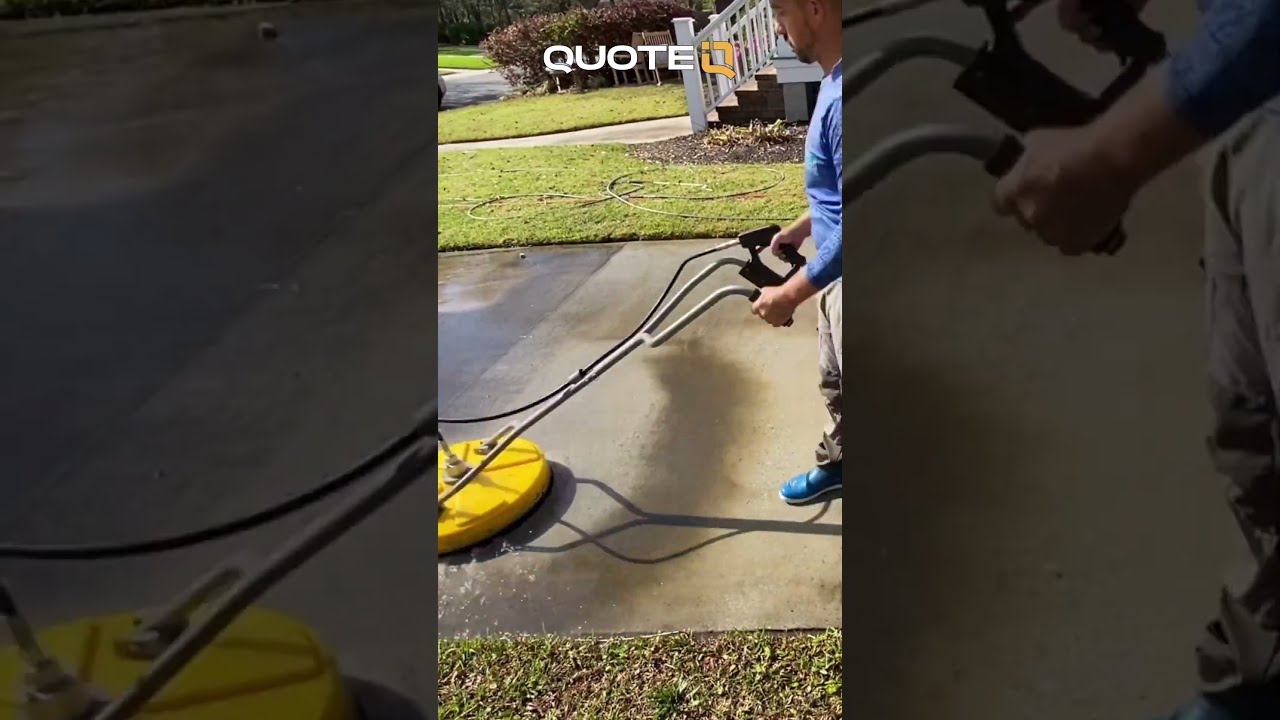
Pressure washing can help remove loosened residue, but excessive pressure or a narrow nozzle can etch concrete and damage joints or coatings. It also produces contaminated runoff that needs to be contained. For extensive staining, a professional driveway cleaner with wastewater-recovery equipment is often the more practical option.
Cleaning Methods to Avoid
Do not use petrol or other flammable solvents to dissolve oil. Avoid acid cleaners, which can attack concrete without effectively removing petroleum contamination. Never mix cleaning chemicals; bleach is not an effective oil remover and can react dangerously with other products.
Disposal and Prevention in Newcastle
Keep oily absorbents and collected wash water securely contained, and check with your local council or waste facility about appropriate disposal. Do not pour oily water into stormwater drains or assume that a biodegradable cleaner makes contaminated runoff safe.
To reduce future staining, repair vehicle leaks promptly and use a drip tray where necessary. A compatible driveway sealer can slow oil penetration and make cleaning easier, but it does not make concrete stain-proof. Clean spills promptly and follow the sealer manufacturer’s maintenance guidance.
Newcastle Pressure Cleaning Experts
(02) 4082 8401
❧